
How Problem Gambling Coaches Help UK Players Navigate the Rise of the Best Crypto Casinos Safely in 2026
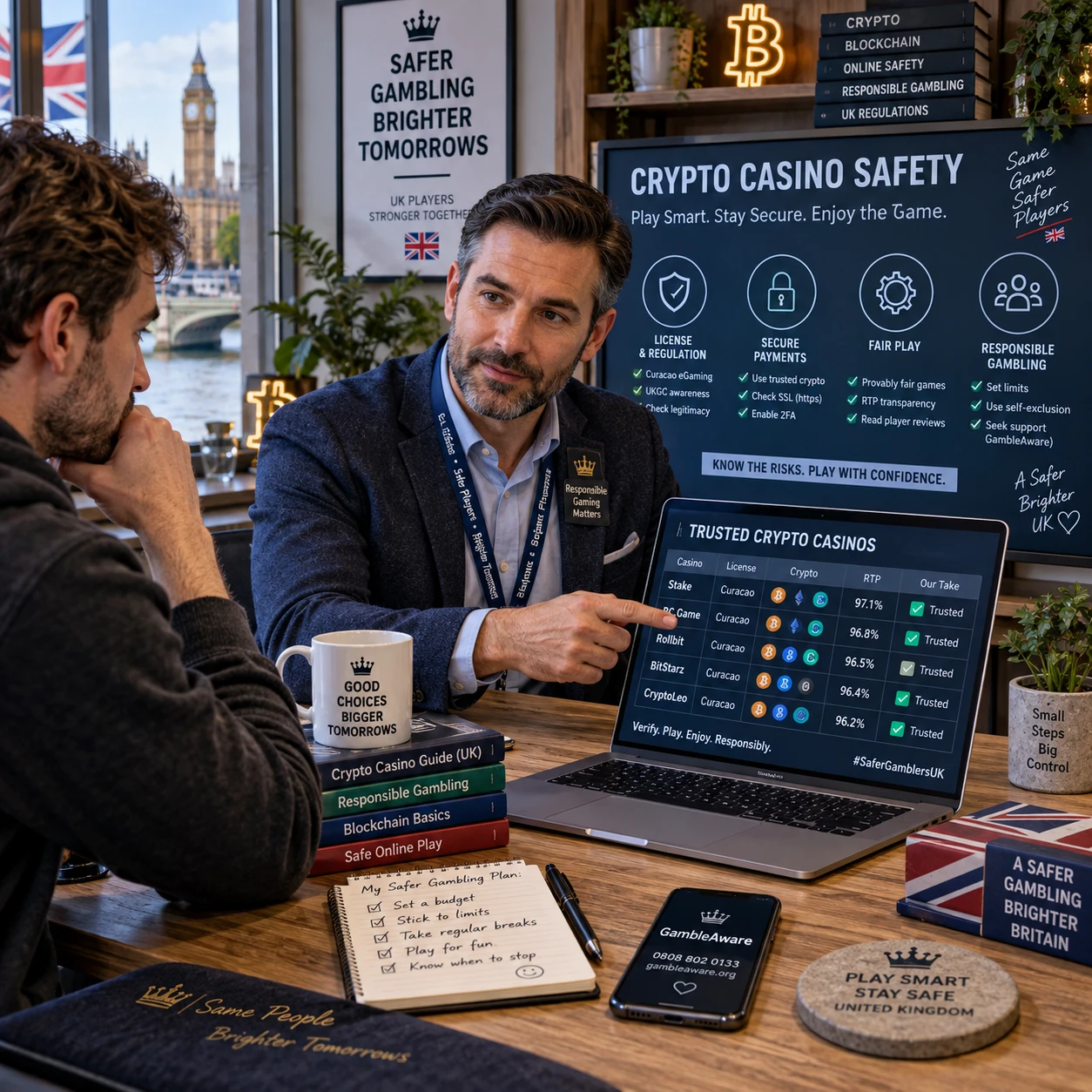
I've talked to a lot of UK gamblers over the past year, and one thing keeps coming up over and over: crypto casinos are everywhere now. They're faster, flashier, and often way more generous with bonuses than the traditional sites most people grew up with. But that speed and novelty come with a catch — and it's not a small one. For players who already struggle to control their gambling, the crypto boom has brought a whole new set of pressures nobody really warned them about. That's where problem gambling coaches have started playing a genuinely important role. Not as a replacement for therapy or helplines (those still matter), but as practical, hands-on support for people trying to enjoy this new landscape without losing themselves in it.
The Rise of Crypto Casinos in the UK Gambling Scene
Honestly, it's not hard to see why crypto casinos have exploded in 2026. Payouts that used to take days now clear in minutes. Games marketed as 'provably fair' give players a sense of transparency that old-school RNG slots never really offered. Transaction fees are lower, too, and the whole experience just feels built for a younger, tech-fluent crowd who already live in crypto wallets and decentralized apps for everything else in their lives.
At the same time, the UK regulatory picture around these platforms stays murky. Many crypto casinos run on offshore licenses, sitting in a grey zone that traditional UK Gambling Commission rules don't fully reach. That ambiguity is part of the appeal for some players — fewer restrictions, more freedom — but it also means fewer built-in protections. You win some, you lose some. Literally.
What Makes Crypto Casinos Different from Traditional Online Casinos
The core difference comes down to how money moves and how identity gets checked. Crypto transactions settle almost instantly and don't route through a bank that might flag suspicious activity. Many platforms are decentralized, meaning there's no single company you can easily hold accountable when things go wrong. KYC checks — the identity verification steps that slow down traditional casino sign-ups — are often lighter here, sometimes skipped entirely. For a casual player, that's just convenience. For someone vulnerable to compulsive betting, though, it strips away several natural speed bumps that used to buy a little time for second thoughts.
Why Crypto Casinos Pose Unique Risks for Problem Gambling
I think the risks here are genuinely different in kind, not just degree. These platforms run 24/7 — no closing time, no friendly reminder to take a break. Crypto's price volatility adds a second layer of risk stacked right on top of the gambling itself; a losing streak can get worse simply because the coin you're betting with drops in value overnight. Pseudo-anonymity means players feel less watched, less accountable, and that quietly erodes the self-restraint that comes from knowing someone might notice.
And crucially — this part matters a lot — many offshore crypto sites don't connect to UK safer-gambling infrastructure like GAMSTOP. So a player who's self-excluded from traditional casinos can still gamble freely on crypto platforms. That gap alone changes the entire risk calculation.
Common Warning Signs Among UK Crypto Gamblers
- Chasing losses by increasing crypto stake sizes rapidly after a bad run
- Opening multiple wallets specifically to bypass self-imposed deposit limits
- Hiding crypto gambling activity from partners or family, often because it's easier to conceal than bank transactions
- Treating crypto price swings as an excuse to 'win back' losses through bigger bets
- Spending increasing amounts of time researching new crypto casino sites rather than cutting back
The Role of a Problem Gambling Coach in This New Landscape
A problem gambling coach isn't a therapist, and it isn't a crisis helpline — though both of those still have their place, obviously. Coaching is more proactive, more practical. It's about building a personalized plan before things spiral, with regular accountability check-ins and concrete behavioral strategies instead of just good intentions.
Where GamCare and similar services often respond to crisis moments, coaches work alongside clients week to week. They help people recognize crypto-specific triggers and build habits that actually hold up under pressure — not just on a calm Tuesday afternoon. It's a bit like having a knowledgeable friend who checks in regularly and helps you stick to boundaries you already agreed were important. Simple idea. Surprisingly hard to do alone.
How Coaches Help Players Navigate Crypto Casinos Safely
This is where coaching really earns its value, I think. A good coach doesn't just tell someone to 'gamble responsibly' and leave it there — they walk through specific platforms with their client, helping evaluate licensing, payout history, and whether a site has any safer-gambling tools built in at all. They help set crypto-specific limits too, translating a comfortable monthly budget into BTC or ETH equivalents so the numbers still mean something even as prices swing around.
Organizations such as best crypto casinos coaching services work directly with UK players to build these personalized safety plans in advance, rather than scrambling to react after a losing weekend. The idea is simple but powerful: decide your boundaries while you're calm and clear-headed, not in the middle of a betting session when every instinct is pulling the other way.
Practical Tools Coaches Recommend
Beyond conversation, coaches usually point clients toward concrete tools that create friction in a good way — on purpose. Self-exclusion apps that block access to known gambling domains are a starting point. Blockchain spending trackers let players see exactly how much crypto has moved toward gambling platforms over time, and that number is often more sobering than people expect.
Cooling-off periods, built into some wallets or browser extensions, force a pause before large transactions go through. And third-party wallet monitoring — sometimes shared with a trusted family member or the coach themselves — adds a layer of accountability that pseudo-anonymous platforms otherwise strip away completely.
Choosing a Problem Gambling Coach in 2026
Not every coach is equipped for this particular challenge, so it's worth being picky. Look for accreditation through recognized UK gambling support frameworks, and ask directly about experience with crypto-specific cases — this is still a fairly niche specialty, even now. Confidentiality matters enormously here, especially given how private crypto activity tends to be in the first place.
Flexibility in format helps too. Some players prefer video calls, others want phone check-ins or the occasional in-person session. And given how fast blockchain terminology moves, a coach who genuinely understands wallets, gas fees, and decentralized exchanges will simply be more useful than one who's learning the vocabulary right alongside you.
Building Long-Term Safer Gambling Habits
Coaching sessions are valuable on their own, but they work best as part of a broader routine. Budgeting apps that track crypto spending alongside regular finances help keep the full picture visible — no blind spots. Peer support communities, whether online forums or local meetups, offer a reminder that this struggle isn't unique or shameful. It never really is.
Involving family members, even in a limited way, adds another layer of accountability that's hard to replicate alone. And periodic self-assessment, maybe every few months, helps catch early signs of slipping back into risky patterns before they turn serious again.
Crypto casinos aren't going anywhere in 2026, and honestly, for a lot of players they offer a genuinely enjoyable, modern way to engage with online gambling. But UK players don't have to figure out the risks on their own. Problem gambling coaches offer the structure, the education, and the steady accountability needed to explore these new platforms without losing the one thing that actually matters most: control.